
ACCORD CONSULTANTS
Top Placement Consultancy in Pune for IT & Non IT Companies in Pune for Job Seeker
When Is the Right Time to Change Jobs? 10 Signs You Shouldn't Ignore
Before making a career move, it’s important to understand today’s hiring market. At Accord Consultants, we’ve helped thousands of professionals find better career opportunities through our Placement Consultancy in Pune, giving candidates valuable insights into what employers are looking for.
Changing jobs is one of the most important career decisions you’ll make. A well-timed move can lead to better pay, faster growth, exciting challenges, and improved work-life balance. On the other hand, changing jobs for the wrong reasons can leave you feeling disappointed and set your career back.
So how do you know when it’s truly time to move on?
In this guide, we’ll explore ten practical signs that indicate you may be ready for your next career opportunity—and how to make that transition wisely.
1. Your Career Has Reached a Standstill
Every job should help you grow.
If you’ve been performing the same tasks for years without gaining new skills, taking on greater responsibilities, or learning new technologies, your career may have reached a plateau.
Ask yourself:
- Have I learned anything new in the last 12 months?
- Am I becoming more valuable in the job market?
- Would another role accelerate my professional growth?
If the answer is “no,” it might be time to explore new opportunities.
2. Your Salary No Longer Reflects Your Value
Consistently delivering results deserves fair recognition.
If your responsibilities have increased while your salary has remained almost the same, your market value may have outgrown your current compensation.
Before switching jobs, compare salaries for similar roles in your industry and location. A well-planned career move can significantly improve your earning potential.
If you’re planning to explore better opportunities, partnering with an experienced Recruitment Agency in Pune can help you identify roles that match your skills, experience, and salary expectations.
3. Promotions Always Go to Someone Else
Career progression is a major reason employees stay loyal to an organization.
However, if promotion opportunities rarely arise—or if they consistently go to others despite your strong performance—it may indicate limited growth potential within the company.
Sometimes the quickest path forward is outside your current organization.
4. You Feel Exhausted More Than Inspired
Everyone experiences stressful periods.
The problem begins when stress becomes your daily routine.
If your work constantly leaves you mentally drained, affects your health, or prevents you from enjoying time with your family, it’s worth evaluating whether the job is sustainable in the long run.
A successful career should support your well-being, not damage it.
5. You're No Longer Excited About Your Work
Think back to your first few months in your current role.
Were you eager to solve problems and contribute ideas?
If that enthusiasm has been replaced by boredom or indifference for a long time, it could mean you’ve outgrown your current position.
A fresh environment can often reignite your motivation.
6. Your Skills Are Falling Behind Industry Trends
The workplace is evolving rapidly.
Artificial intelligence, automation, digital transformation, cybersecurity, electric vehicles, and advanced manufacturing are reshaping industries.
Professionals who continuously update their skills remain competitive.
If your employer isn’t providing opportunities to learn, consider seeking a workplace that invests in employee development.
Professionals in the technology sector can benefit from working with an experienced IT Recruitment Agency in Pune to stay informed about the latest hiring trends and emerging opportunities.
7. The Workplace Culture Doesn't Suit You
A healthy workplace encourages collaboration, respect, and professional growth.
Persistent issues such as poor communication, favoritism, excessive office politics, or lack of appreciation can negatively impact both your performance and confidence.
A positive work culture often matters as much as salary.
8. Better Opportunities Keep Passing You By
Have recruiters contacted you recently?
Have former colleagues moved into more exciting roles?
If you repeatedly ignore opportunities because changing jobs feels uncomfortable, you could be limiting your long-term career growth.
The best time to explore new roles is while you’re still employed.
9. Your Career Goals Have Changed
The job you accepted five years ago may no longer align with your ambitions today.
Perhaps you now want:
- Leadership responsibilities
- International exposure
- Hybrid or remote work
- Better work-life balance
- A different industry
- More challenging projects
Your career should evolve as your goals evolve.
10. You're Staying Only Because It's Comfortable
Comfort creates stability—but it can also prevent progress.
If your main reason for staying is familiarity rather than opportunity, ask yourself an important question:
“Where will I be professionally if I stay here for another three years?”
If that future doesn’t excite you, it may be time to take the next step.
Before Changing Jobs, Follow This Checklist
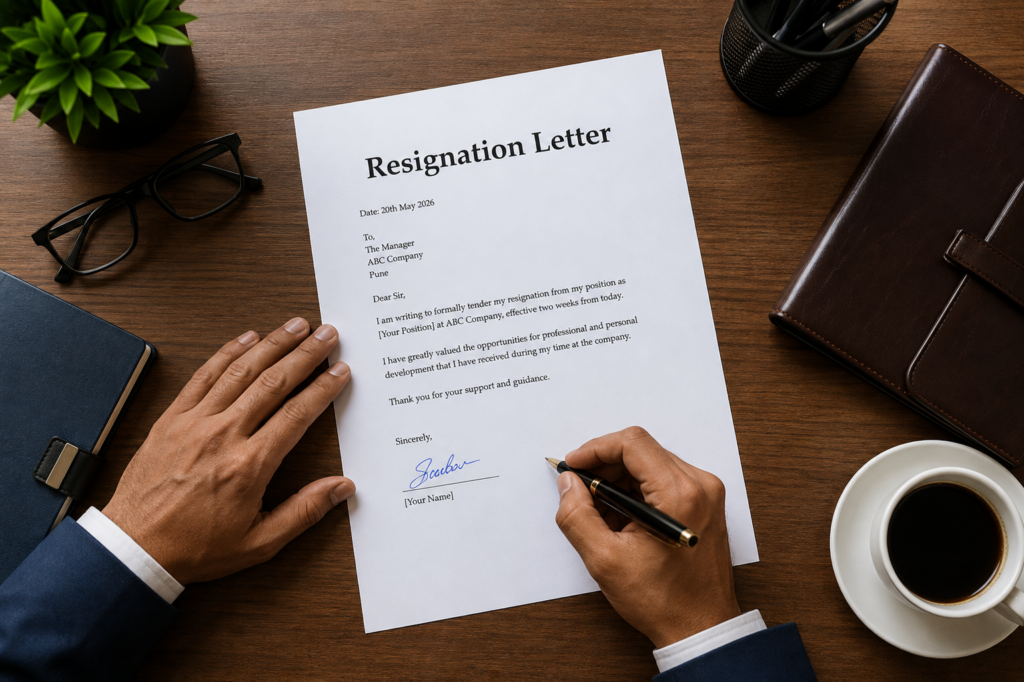
Before submitting your resignation, make sure you’ve prepared properly:
- Update your résumé.
- Refresh your LinkedIn profile.
- Research your target employers.
- Build an emergency savings fund.
- Improve your interview skills.
- Compare the complete compensation package—not just the salary.
- Check company reviews and growth prospects.
- Leave your current employer professionally and respectfully.
Preparation reduces risk and increases your confidence during the transition.
Before resigning, make sure you understand your contractual obligations. Read our guide on What Happens If I Don’t Serve My Notice Period? to avoid common mistakes.
Common Reasons Employees Regret Changing Jobs
Changing jobs isn’t always the right decision.
Employees sometimes regret switching because they:
- Focused only on a higher salary.
- Didn’t research the company’s culture.
- Accepted the first offer without comparing options.
- Left due to temporary frustration instead of long-term issues.
- Ignored career growth opportunities in the new role.
Take time to evaluate every opportunity carefully.
How Recruitment Consultants Can Help
Searching for a new job can be overwhelming, especially when you’re unsure about your next move.
A professional recruitment consultant can help you:
- Understand current hiring trends.
- Match your skills with suitable employers.
- Prepare for interviews.
- Negotiate compensation.
- Explore confidential job opportunities that may not be publicly advertised.
If you’re planning your next career move, our Placement Consultancy in Pune helps professionals connect with leading employers across IT, Manufacturing, Engineering, Healthcare, FMCG, Logistics, and many other sectors.
Final Thoughts
Changing jobs isn’t about escaping your current employer—it’s about moving toward a better version of your career.
The right time to switch is when your present role no longer challenges you, rewards your efforts, or aligns with your future goals.
Take time to assess your skills, evaluate your options, and make a decision based on long-term growth rather than short-term emotions.
A well-planned career move today can create opportunities that shape your professional future for years to come.
Looking for your next career opportunity? Explore our Placement Consultancy in Pune to discover current job openings, career advice, and expert recruitment support.